
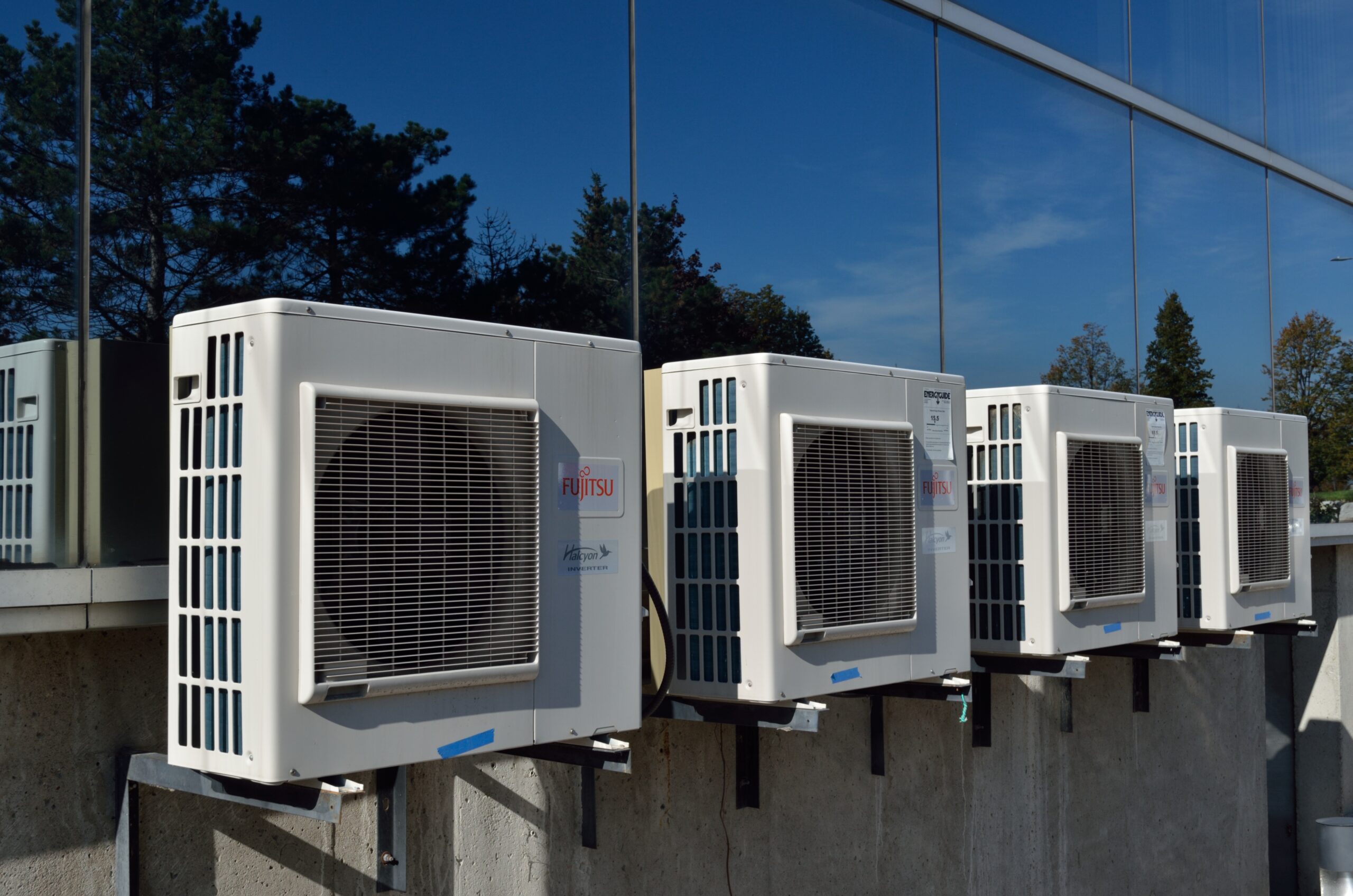
As winter winds down, we’re all looking forward to turning off the heat, throwing open the windows, and letting in the fresh air. As things warm up, it’ll be a relief to get a break from heating bills, and energy costs for air conditioning are still months away.
That makes March the ideal time to switch out old, inefficient heating and cooling units for modern high-efficiency technology.
Beautifully in-between: When the forecast calls for mild weather, you’re likely to be able to go without heat or AC while systems are being inspected, serviced, or replaced.
Scheduling: Whenever the temperature moves to extremes, things heat up for HVAC companies. Technicians have far more availability than they do in peak seasons. This means more flexibility for scheduling service and installation. As an added bonus, this time of year allows you more time to research models, prices, and service companies, and saves you from the stress of needing help during the heat of summer or depth of winter.
Discounts: In the off-season, some HVAC companies may offer discounts. Manufacturers often get in on the promo craze as well, releasing new models, which can lead to discounts on the older ones.
A New System? Or Just Service? How do you know what you need? One thing to consider is your current system’s age. The Department of Energy recommends replacing your HVAC system every 10-15 years to maximize energy efficiency. Check your records for when your unit was installed and ask your technician how long those models tend to last.
They can answer this during your seasonal service call, when they’ll check your filters, fans, ducts, furnace, thermostats, and other system components. It’s possible all you need is a tune-up and cleaning. Depending on the age and condition of your system, it may be most economical to replace it with a high-efficiency upgrade, even if there’s service life left in the old one.
How to Know When it Has to Go:
You have your HVAC guy in your cell phone’s “Favorites”
Déja vu all over again. Have you needed frequent service calls? If multiple repairs are adding up, that money might be better-spent on a new system.
Climate change:
It’s just one house, but the temperature fluctuates from room to room. If some rooms are too hot while others are too cold, it’s possible your system is ready to retire. Make sure your HVAC company first rules out insulation or duct problems, then ask for guidance about the best unit for your home, available rebate programs, and other ways to upgrade and save.
For more money-saving tips like these, and energy-saving HVAC service plans, visit MJ Heating and Air Conditioning at mjheatingac.com.