
If you’ve been watching the weather, you know temperatures are edging upward—seasonally and long-term. If you’re in the market for a new AC, now’s a good time to start researching so you know what to look for in a new unit.
Of course, you can always call a service technician like MJ HVAC and let them make a recommendation, but if you’re going to shop around, keep these things in mind.
WHAT TYPE OF UNIT IS BEST FOR YOU?
Maybe you already know what you need, or will simply upgrade the one you have now to a similar kind, but if you’re starting from scratch, perhaps adding AC into a new home or accessory dwelling unit (ADU), it’s good to consider your options.
CENTRAL AIR CONDITIONING
Classic, house-wide “invisible” air conditioning system, controlled by a thermostat to maintain desired temperature. This system uses ducts to distribute cooled, dehumidified air throughout the house.
SPLIT DUCTLESS SYSTEMS
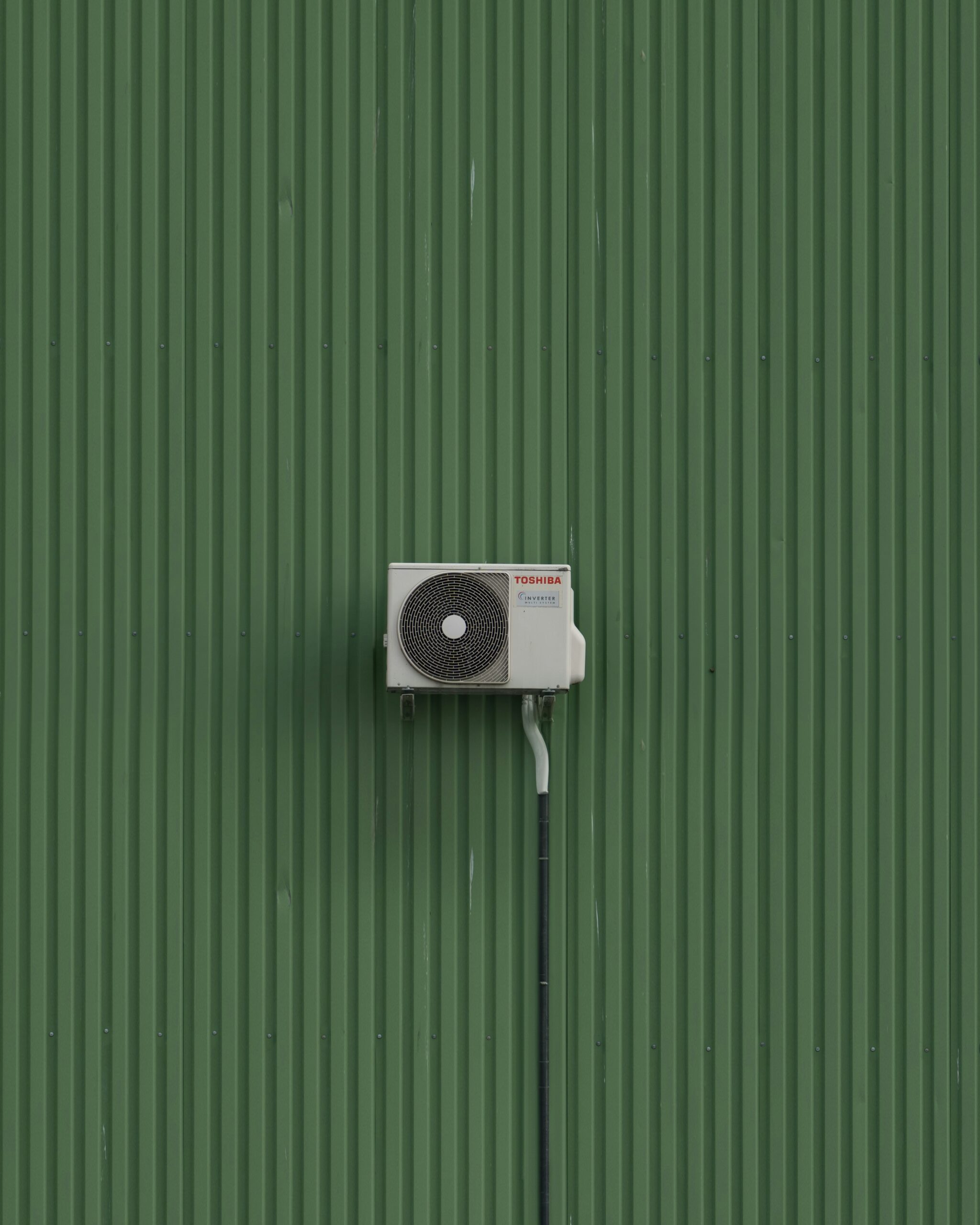
This type of system is often used in smaller homes, second homes, or vacation cottages. They feature an outside condenser and compressor, and anywhere from one to four or five indoor blower units, which can be mounted high up on a wall. These systems are often cheaper, more efficient, and quieter.
HEAT PUMP
Common in warmer parts of the US, there’s also the option of an air-sourced heat pump instead of an AC-only system. In cooling mode, they work the same way air conditioners do. And when winter arrives, they’re considered one of the most energy-efficient systems for home heating. Ask your HVAC service person about adding a heat pump to an existing system or replacing an old, out-of-date one with a heat pump.
No matter what kind of system you go with, there are key features and ratings you’ll want to keep in mind:
SIZE/ COOLING CAPACITY
Your HVAC expert will be able to calculate what’s best for your living space based on factors like square footage, ceiling height, sun exposure, and more. For a rough guide on sizing, check out the Energy Star website. You want to make sure you don’t pick a unit that’s too small, or it may have to work too hard, shortening the life of the unit. Nor do you want one that’s too big, which could lead to paying for more power than your home requires.
ENERGY EFFICIENCY RATING
You’ll want a unit that has a high SEER (Seasonal Energy Efficiency Ratio) rating, which means the most energy savings for the consumer—in other words, you! AC units on the lower end have a passable SEER rating of 15. The most efficient models you’ll find have a SEER around 26.
NOISE
Product descriptions can tell you what a unit does, and pictures can show you what it looks like, but few manufacturers adequately convey an accurate sense of the noise floor each unit generates. In general, AC should be felt and not heard. If you do hear it, it should lull you to sleep, not keep you up! Look for the lowest noise level (in decibels) you can find, especially if the unit will be near a bedroom window. Better yet, ask your HVAC technician about the noise level of units you’re considering, and its timbre, or sound quality. A low, raspy sound can be more distracting than a smooth hum that’s slightly louder.
SMART FEATURES
Many AC units now integrate with smart home systems via Bluetooth, WiFi, and more. These features can empower you to maximize your energy savings—or become a distraction. It largely depends on how attentive you are to monitoring your energy usage.
COMPATIBILITY
Unfortunately, many DIY-ers fail to check for compatibility between their new AC unit and existing ductwork. This can lead to aggravating returns, or complex retro-fitting to get the unit and ductwork to work together.
RELIABILITY RATING
In addition to cooling speed, energy efficiency, and noise floor, reliability rating is a strong predictor of how happy you’ll be with your new system or unit.
When you have an air conditioning system selected and installed for you, just need questions answers to help you choose a new one on your own, MJ Heating and Air Conditioning is happy to help at mjheatingac.com!